Number of Student Transportation of America Locations in the United States of America
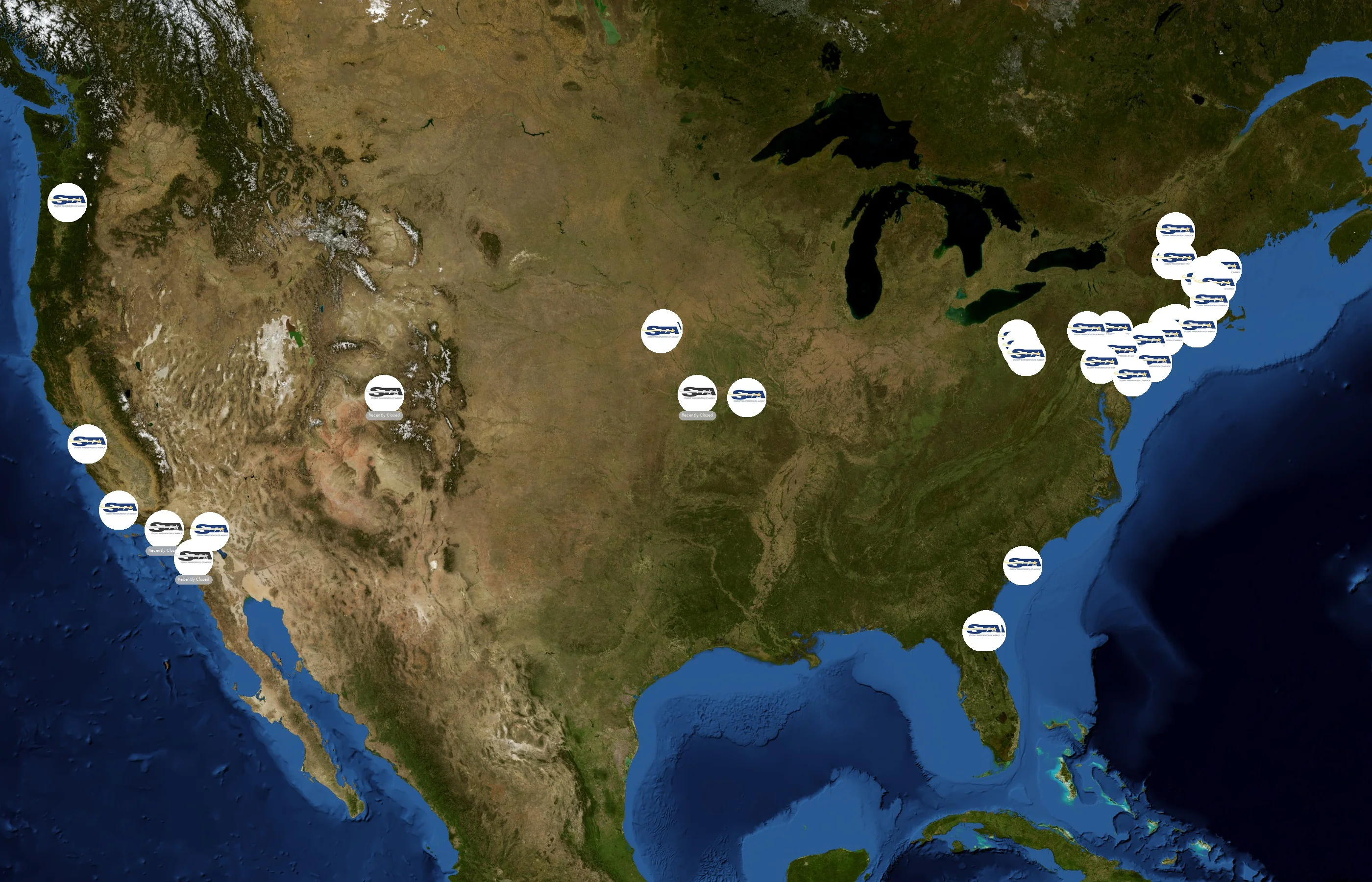
There are 44 Student Transportation of America locations in the United States of America as of July 16, 2026. The state or territory with the most Student Transportation of America locations is NewHampshire, with 8 sites, accounting for roughly 18.2% of the total.
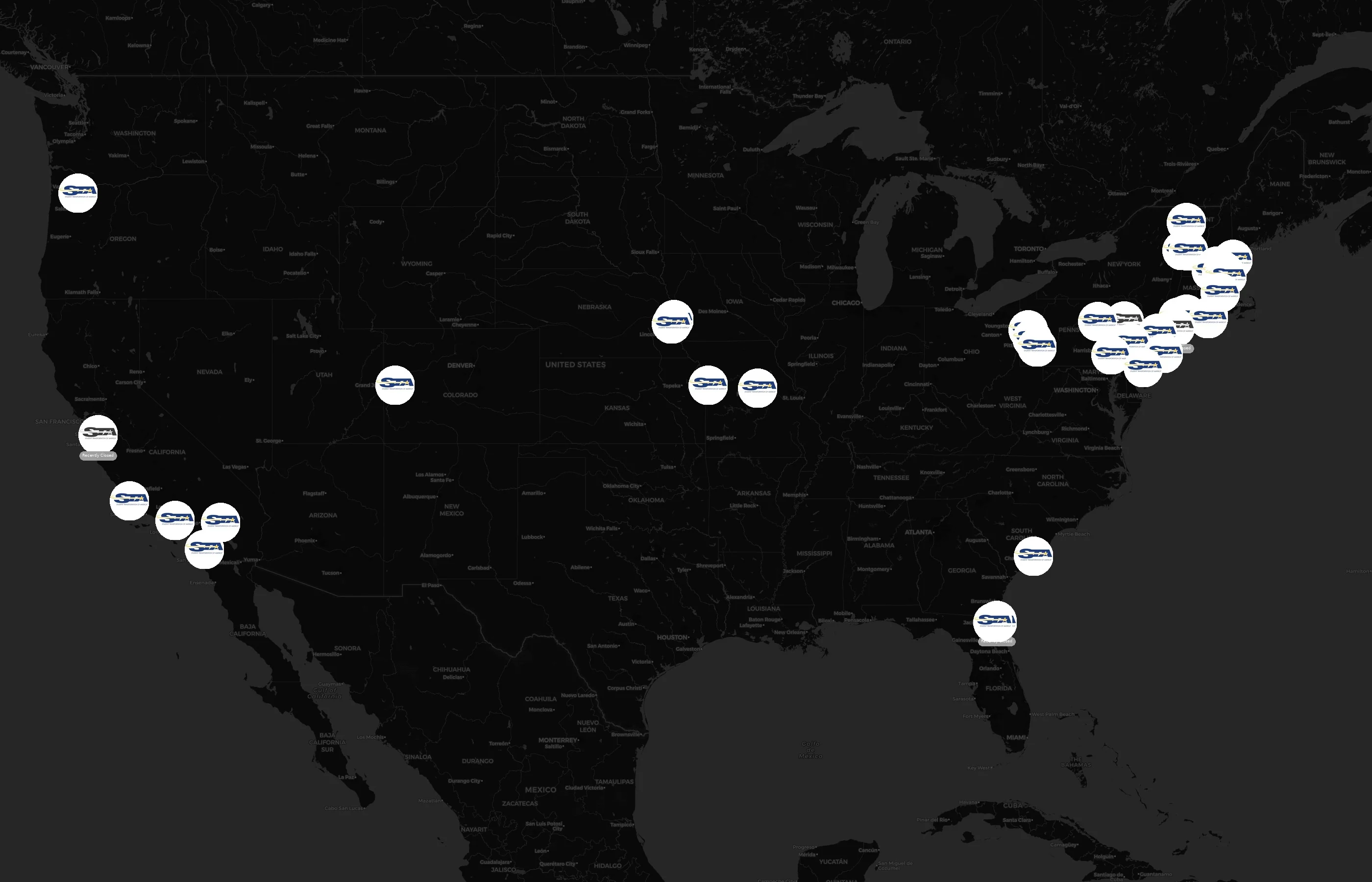
How many Student Transportation of America are there in the United States of America?
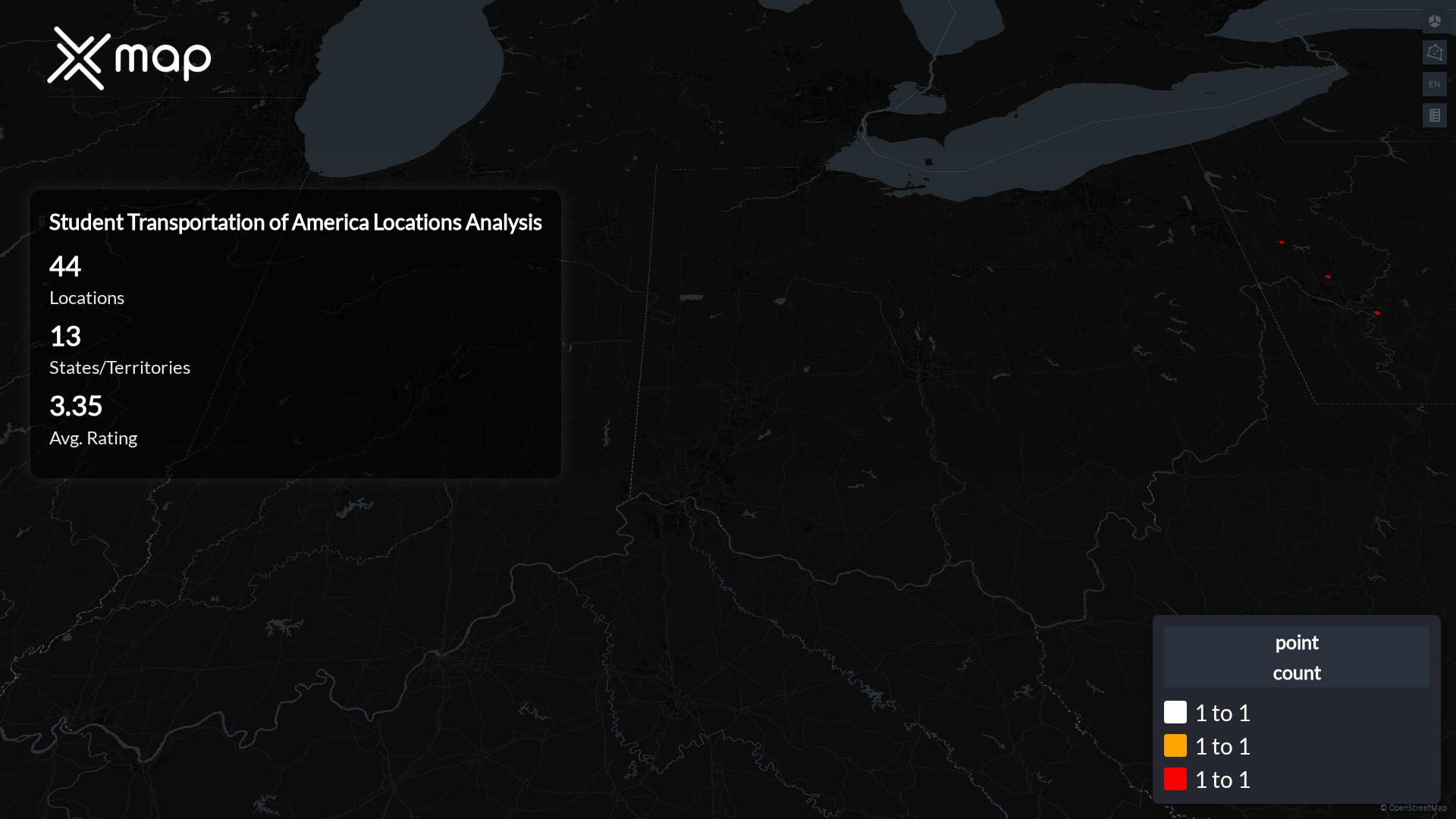

44

34

44

44

6
Distribution of Student Transportation of America Locations Across United States of America by State
Student Transportation of America operates 44 United States of America locations across 13 states. Largest clusters are in NewHampshire, Connecticut, and Pennsylvania; the top 10 states contain 93.2% of sites. Coverage is thinner in Massachusetts, Oregon, and SouthCarolina.
Top 10 States with the most number of Student Transportation of America locations in United States of America
Student Transportation of America shows strong visitor engagement: 1 locations are above the mean traffic score (mean: 44.72) and 0 qualify as highly visited.
Student Transportation of America operates 44 locations across the United States, with New Hampshire holding the highest count at 8 locations (18.2%). Connecticut and Pennsylvania each have 7 locations, together making up 50% of the total locations when combined with New Hampshire. The top 10 states account for 93.2% of all locations. Vermont, Connecticut, and Nebraska have the best access based on population per location, while California, Florida, and Massachusetts are the most stretched states with the highest population per location ratios.
Student Transportation of America per capita insights
- States (Vermont, Connecticut, Nebraska) enjoy the best per capita access to Student Transportation of America.
- States like California, Florida, Missouri, Colorado, despite their large number of locations, are under-served on a per-person basis, signaling potential demand for suburban expansion.
- Several states strike a balance between population growth and Student Transportation of America density, making them hotspots for sustained competition.
Cities With the Most Student Transportation of America Locations in the United States of America
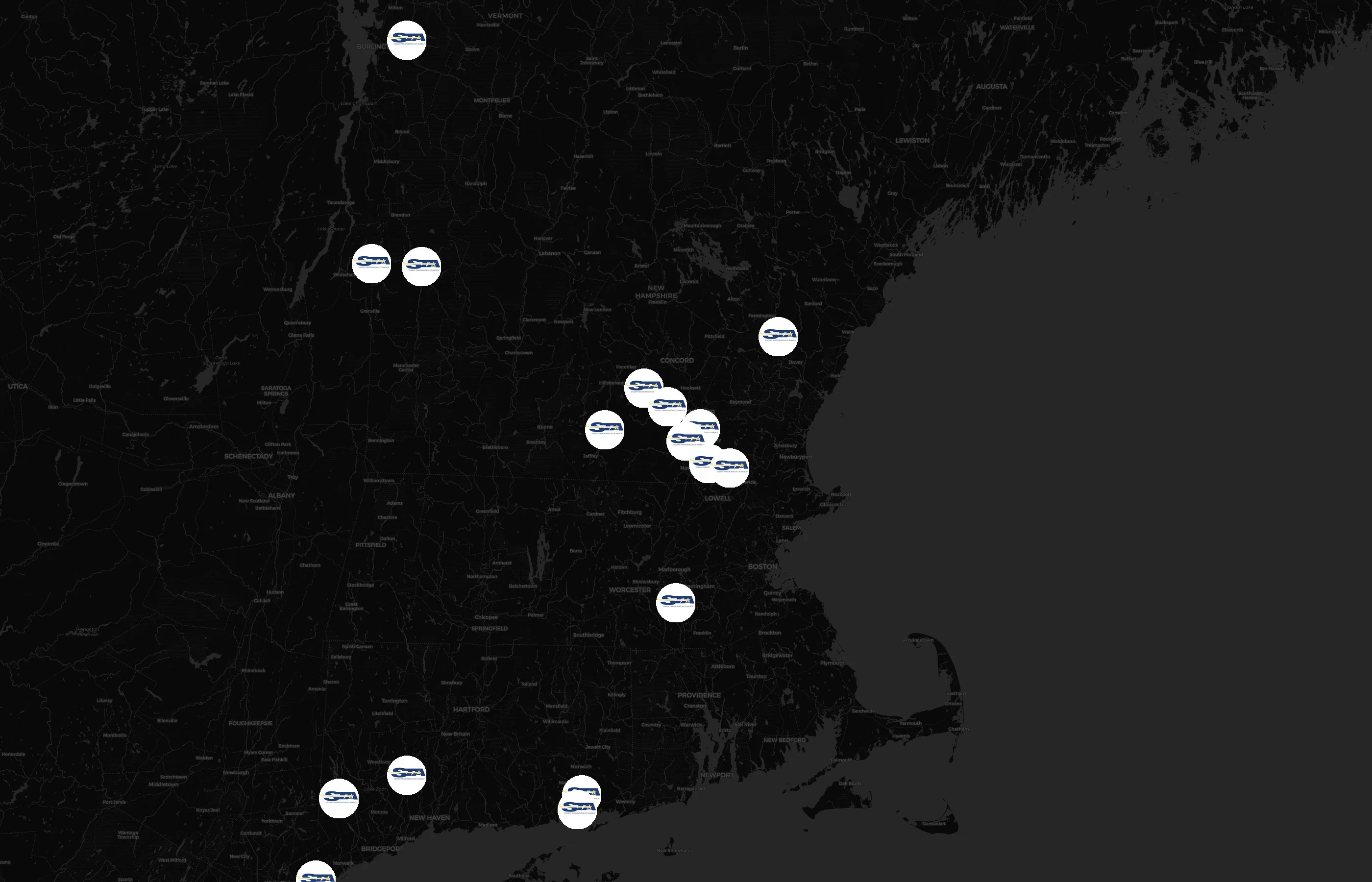
Locations concentrate around major metros such as Hillsborough, Fairfield, Duval, Allegheny, and Rutland. The top 10 cities account for 52.3% of U.S. sites.
Top 10 Cities Ranked by Location Count
Student Transportation of America operates 44 locations across the United States, with the top 10 cities accounting for 52.3% of these sites. Hillsborough, New Hampshire leads with 5 locations, followed by Fairfield, Connecticut with 4, and Duval, Florida with 3. Several other cities, including Allegheny, Pennsylvania and Rutland, Vermont, host 2 locations each.
Street-level hotspots (busiest streets with multiple Student Transportation of America)
Street-level clusters show corridors where multiple Student Transportation of America locations sit within the same neighborhood indicating strong local presence and coherence. Student Transportation of America operates a total of 44 nationwide.
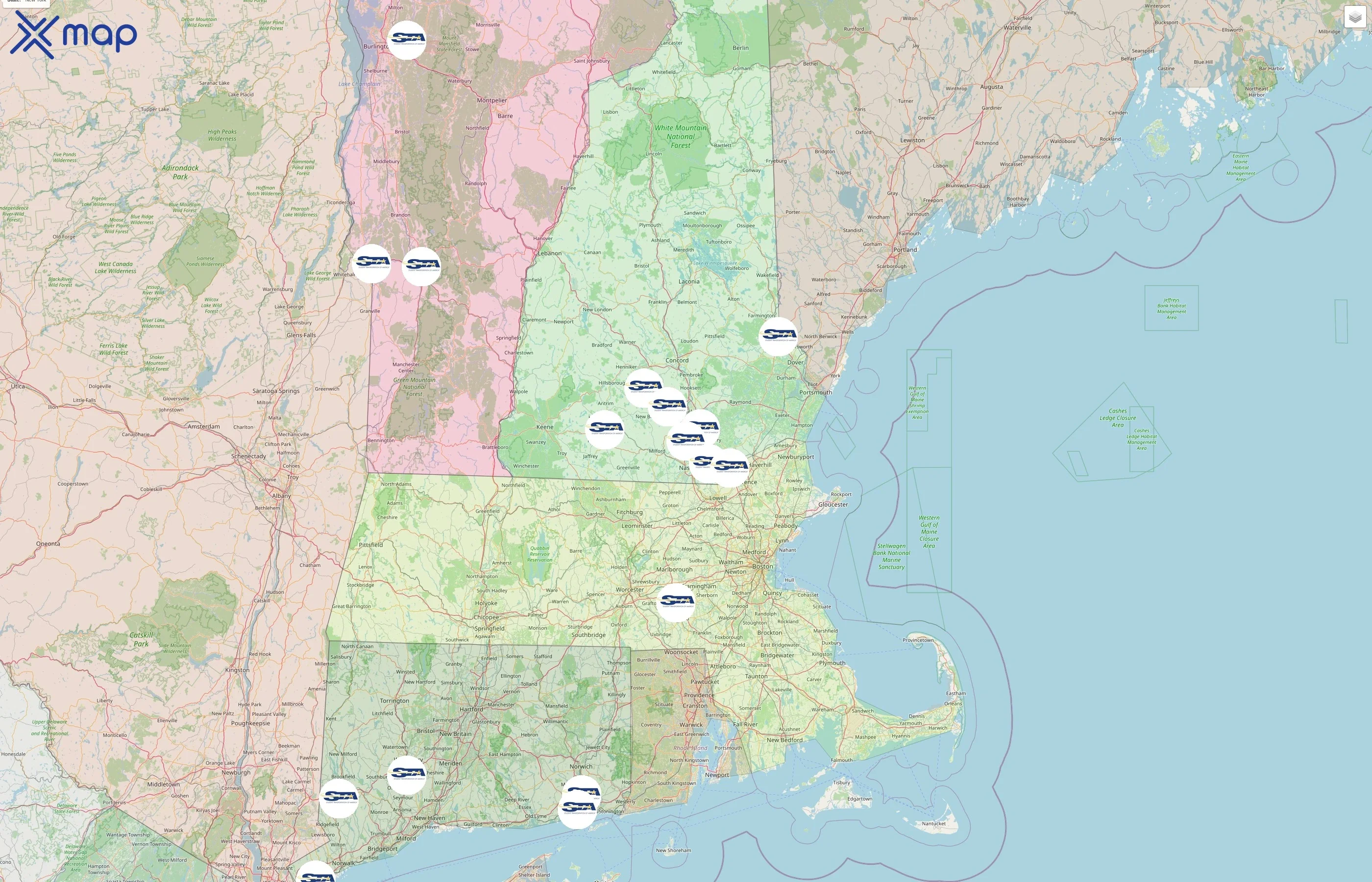
Download Student Transportation of America Outlets Points of Interest Data
The complete dataset of Student Transportation of America locations across the United States of America is available for download, including coordinates, traffic patterns, and operational status.
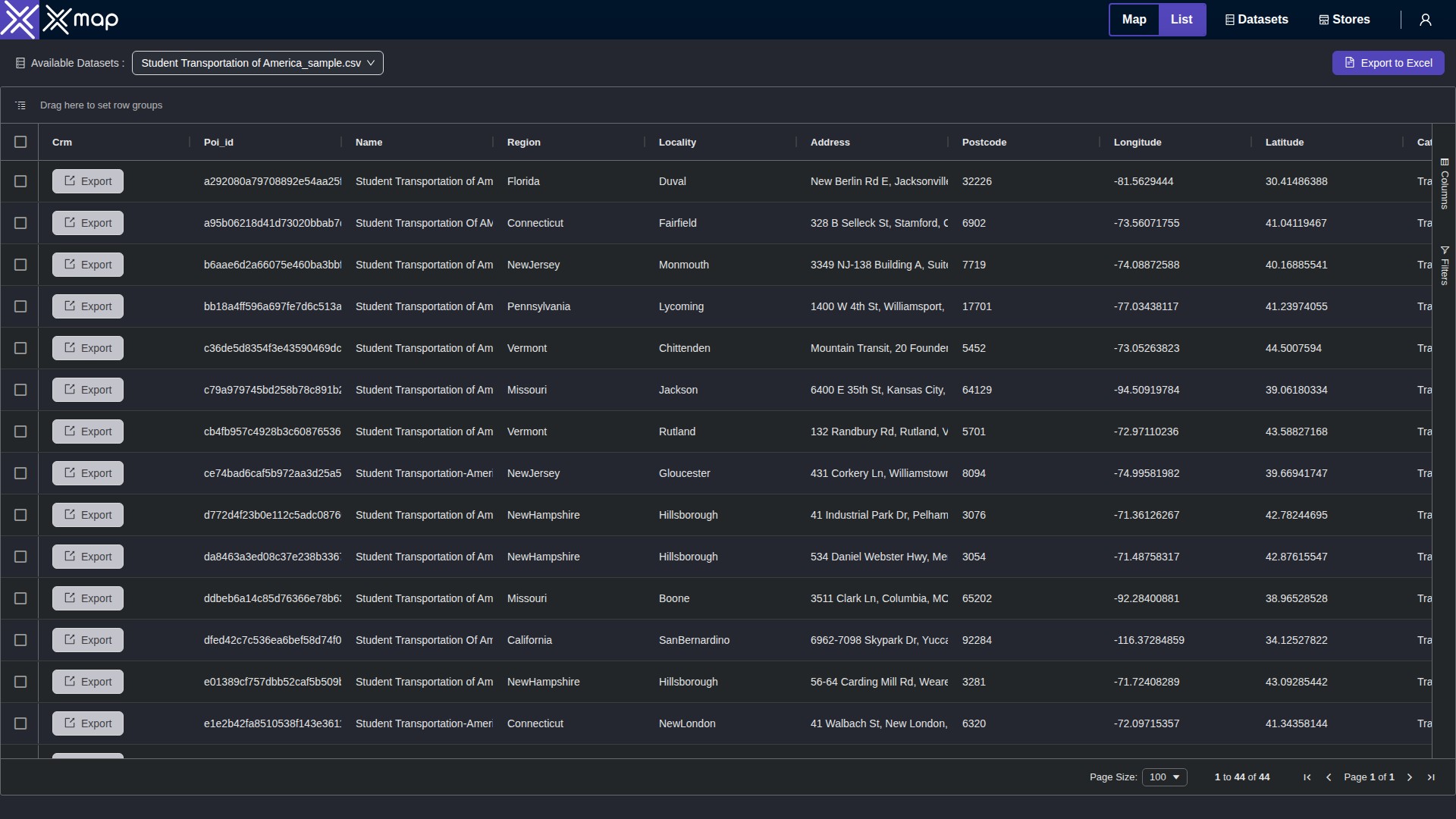
Key Variables for Student Transportation of America Points of Interests
Student Transportation of America has 44 locations across the United States of America. The key variables shows the most infleuntial aspects for Student Transportation of America locations nationwide. This provides a closer look of how Student Transportation of America is operating from different prespectives.
Average Area Covered Per Student Transportation of America Locations (By State)
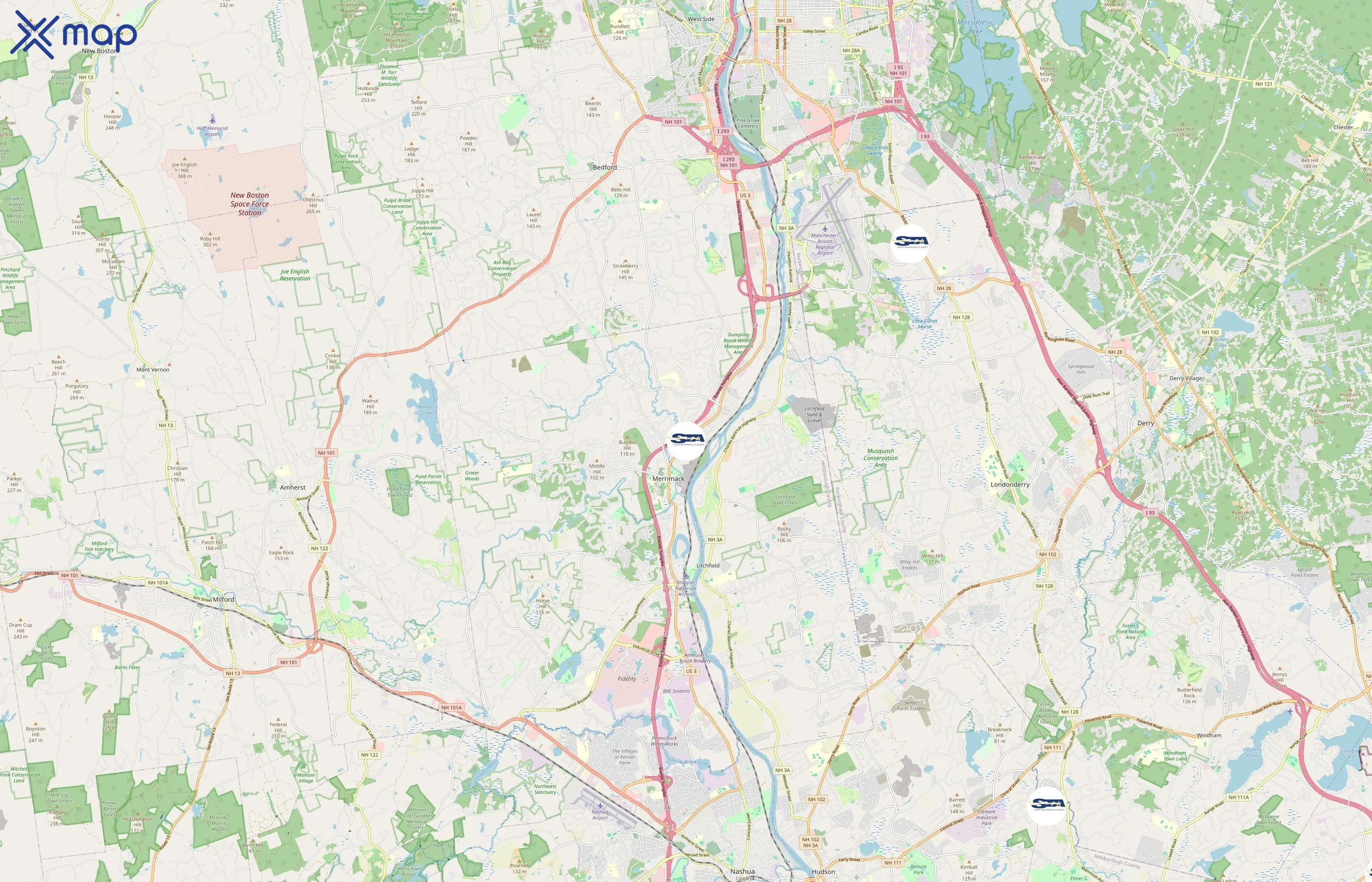
Student Transportation of America operates in multiple U.S. states with varying land areas. California, the largest state listed, has an area of 423,965 km² and 5 locations, while Connecticut is the smallest with 14,358 km² and 7 locations. Some states like New Hampshire and New Jersey have undefined area data but host 8 and 3 locations respectively. Location counts range from 1 in Colorado to 8 in New Hampshire.
Business Status of Student Transportation of America Locations (Open vs Closed)
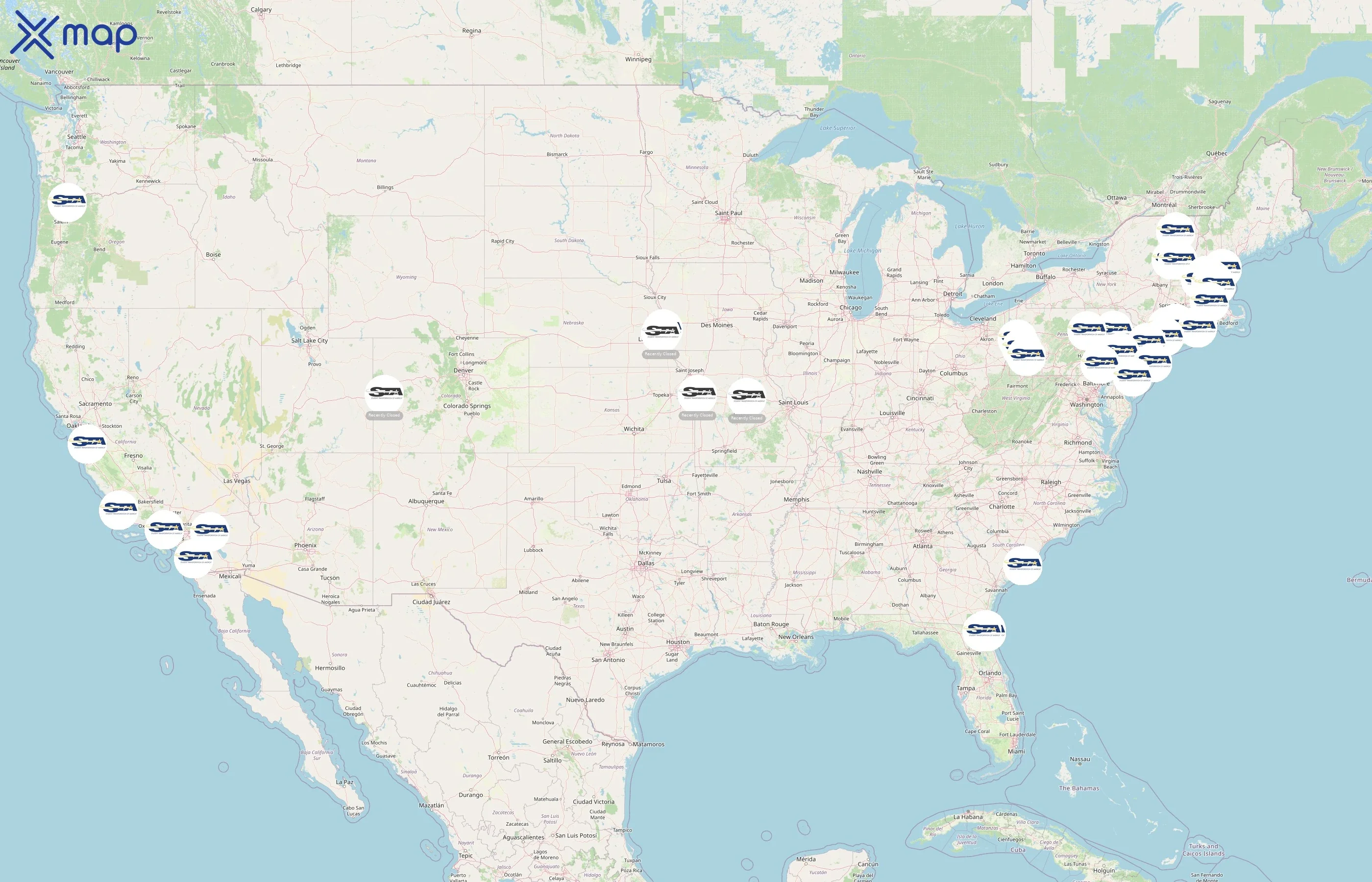
Student Transportation of America operates mostly open locations across several U.S. states, with New Hampshire, Pennsylvania, Vermont, New Jersey, Nebraska, and South Carolina reporting 100% open status. Connecticut has the lowest open percentage at 57.1%, with 4 open and 3 closed sites. California and Florida show 80.0% and 66.7% open rates respectively, while Missouri has an equal split of open and closed locations.
Traffic Data for Student Transportation of America Locations (By State)
This view compares activity near Student Transportation of America locations across states. Using traffic scores observed around 44 sites, it highlights the busiest markets, states with a high share of above-average locations, and areas where activity is comparatively light. Use it to benchmark performance, prioritize field operations, and spot expansion or optimization opportunities.
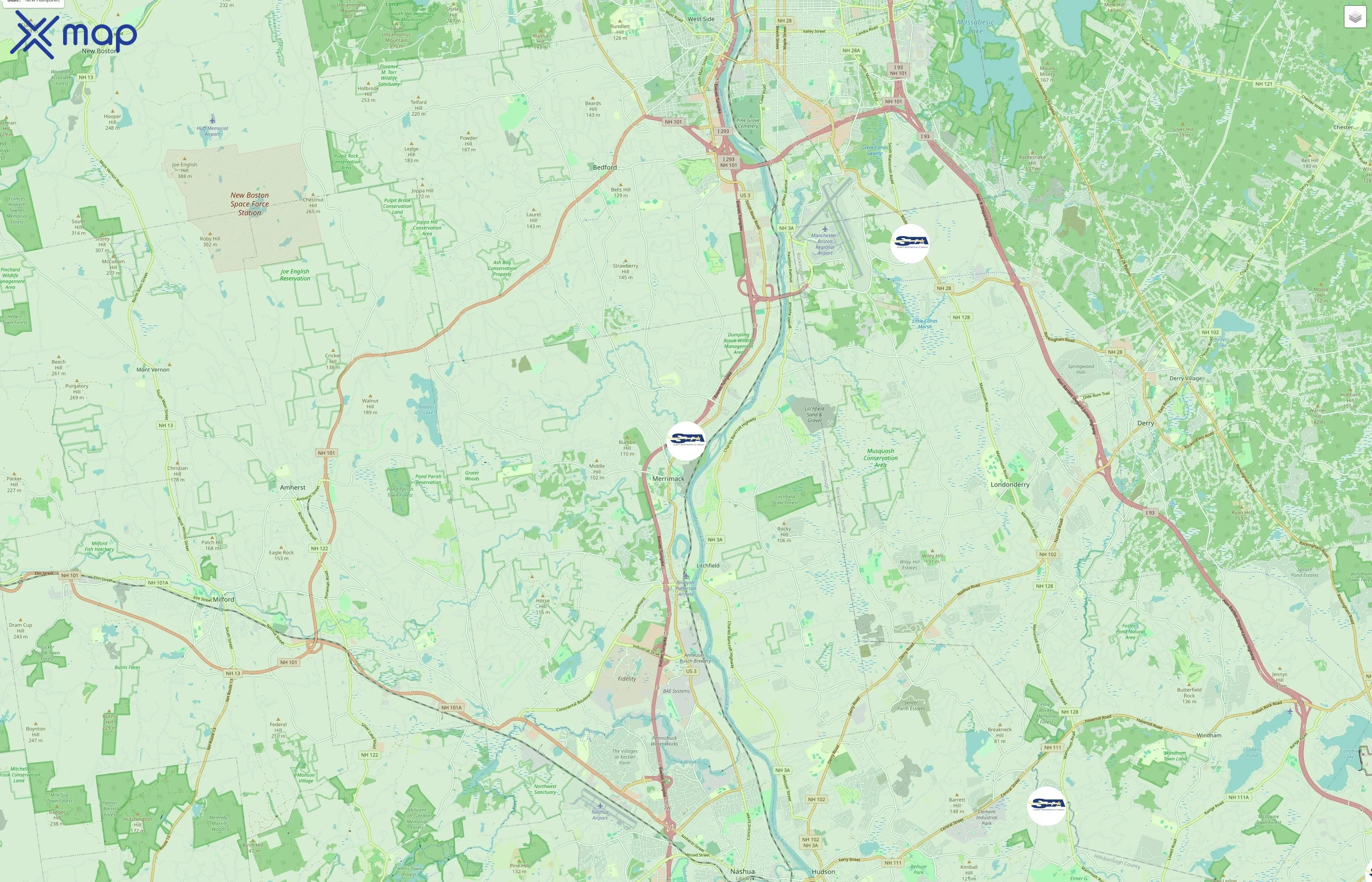
What Student Transportation of America locations are busy in top 10 states?
Student Transportation of America operates busy locations in the United States with New Jersey having the highest share, where 33.3% of its 3 locations are busy. New Hampshire follows with 12.5% of its 8 locations classified as busy. The remaining states, including Connecticut, California, Florida, Nebraska, Missouri, Pennsylvania, South Carolina, and Vermont, report no busy locations.
Customer Reviews and Ratings of Student Transportation of America Locations
This section summarizes customer sentiment toward Student Transportation of America. Using ratings and review totals from 44 locations, we highlight where scores are consistently high and where feedback volume is greatest. Average star ratings reflect perceived quality, while total reviews indicate engagement and reach across the network.
Average Ratings
Student Transportation of America has the highest average rating in California at 3.9, followed by Nebraska with 3.8. Connecticut and New Hampshire both have an average rating of 3.5, while Pennsylvania's average is 3.4. Florida leads in review volume with 164 reviews, significantly more than California's 75 and Missouri's 65.
Number of Reviews
Student Transportation of America received the highest average rating in California at 3.9, followed by Nebraska with 3.8. Florida led in total reviews with 164, significantly more than California's 75. Missouri and Connecticut also had notable review counts, with 65 and 63 respectively, while Pennsylvania had 55 reviews and an average rating of 3.4.
Student Transportation of America Locations With Verified Contact Information
Contact Information
Student Transportation of America has full phone coverage in all its locations across ten states in the United States. Notably, New Hampshire has the highest number of locations with phones at 8 out of 8, followed by Connecticut, Pennsylvania, and California each with 7 or fewer locations fully covered. Each listed state shows 100% phone availability, ranging from 1 location in South Carolina to 8 in New Hampshire.
Use cases for Student Transportation of America Points of Interests Data
Market Analysis
Student Transportation of America POI data enables clear measurement of footprint and demand. Analysts can rank states and cities by location count, compare coverage on a per-capita basis, and use traffic scores and review volumes to spot high-performing markets and under-served pockets. The result is an objective view of saturation, growth opportunities, and performance outliers.
Site Selection
For network planning, the data supports scoring candidate trade areas using location density, population per location, and nearby traffic intensity. Teams can evaluate cannibalization risk via nearest-store distance, surface whitespace along key corridors, and prioritize sites near retail anchors, campuses, or transit where observed activity is strongest.
Urban Planning
Planners can map clusters and service gaps to understand commercial access at the neighborhood level. Per-capita coverage highlights communities with limited access, while changes in openings or closures signal shifts in activity. These insights inform corridor revitalization, streetscape and transit planning, and data-driven zoning decisions.
How this xMap's POI data can help businesses?
- Accuracy and Precision: xMap data offers high-accuracy data, which minimizes the chances of wrong decisions based on flawed information.
- Complete Data: With xMap, businesses have access to comprehensive and complete data, effectively filling any knowledge gaps and providing a well-rounded view for decision making.
- Up-to-Date Information: xMap ensures that the data provided is regularly updated, which allows businesses to make dynamic, timely decisions in tune with current trends and situations.
- Scalability: xMap data allows businesses to scale their operations efficiently, by providing insights that cater to varying business sizes and requirements.
- Analytical Power: Utilizing xMap data's analytics can help identify patterns and trends, thus enhancing strategic planning and foresight for businesses.
Download Student Transportation of America Point of Interest Data

Number of Student Transportation of America Locations in the United States of America
