Number of Dyno Nobel Locations in the United States of America
There are 40 Dyno Nobel locations in the United States of America as of July 16, 2026. The state or territory with the most Dyno Nobel locations is WestVirginia, with 5 sites, accounting for roughly 12.5% of the total.
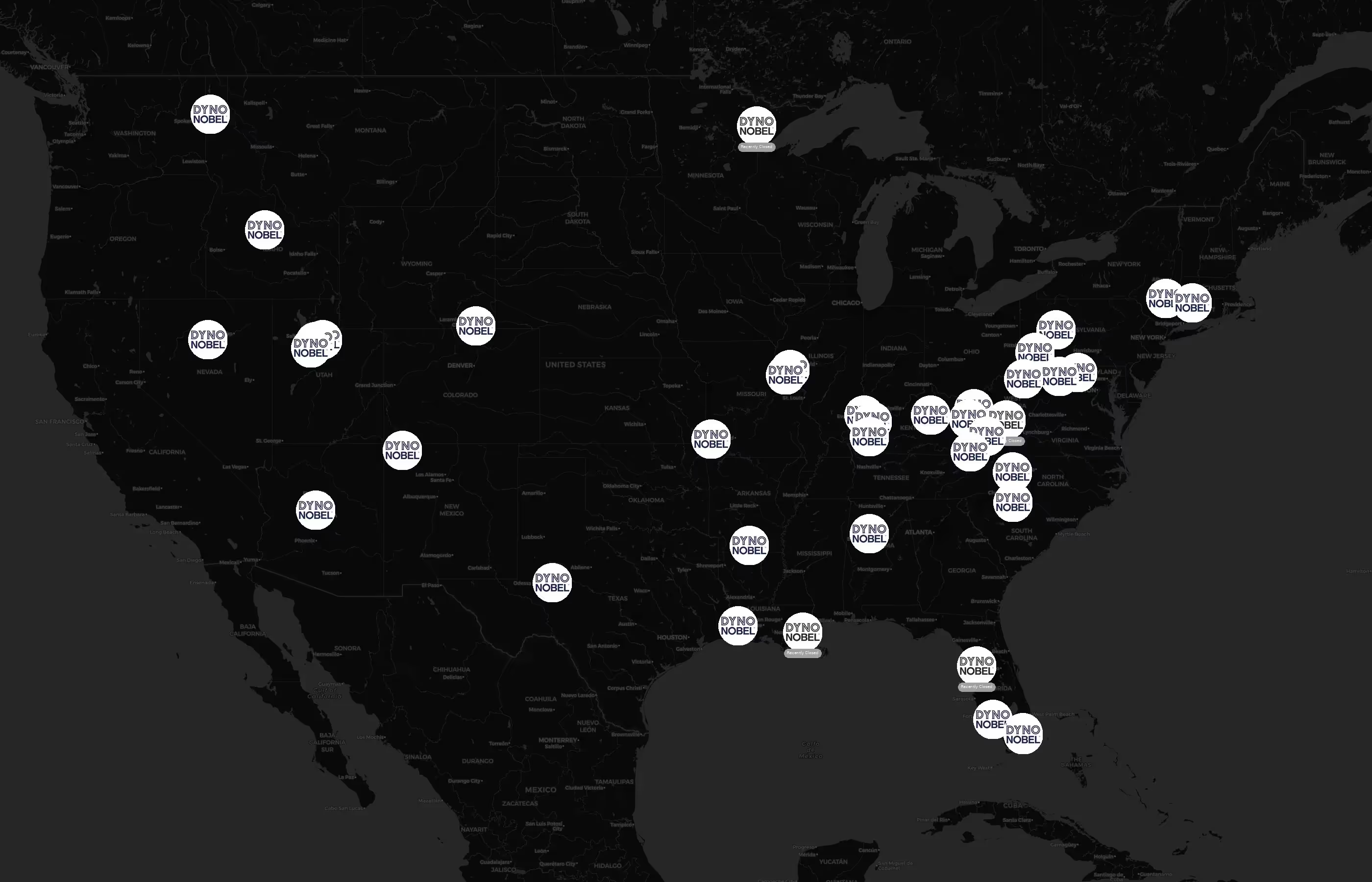
How many Dyno Nobel are there in the United States of America?

40

22

40

40

4
Distribution of Dyno Nobel Locations Across United States of America by State
Dyno Nobel operates 40 United States of America locations across 23 states. Largest clusters are in WestVirginia, Florida, and Kentucky; the top 10 states contain 67.5% of sites. Coverage is thinner in SouthCarolina, Texas, and Wyoming.
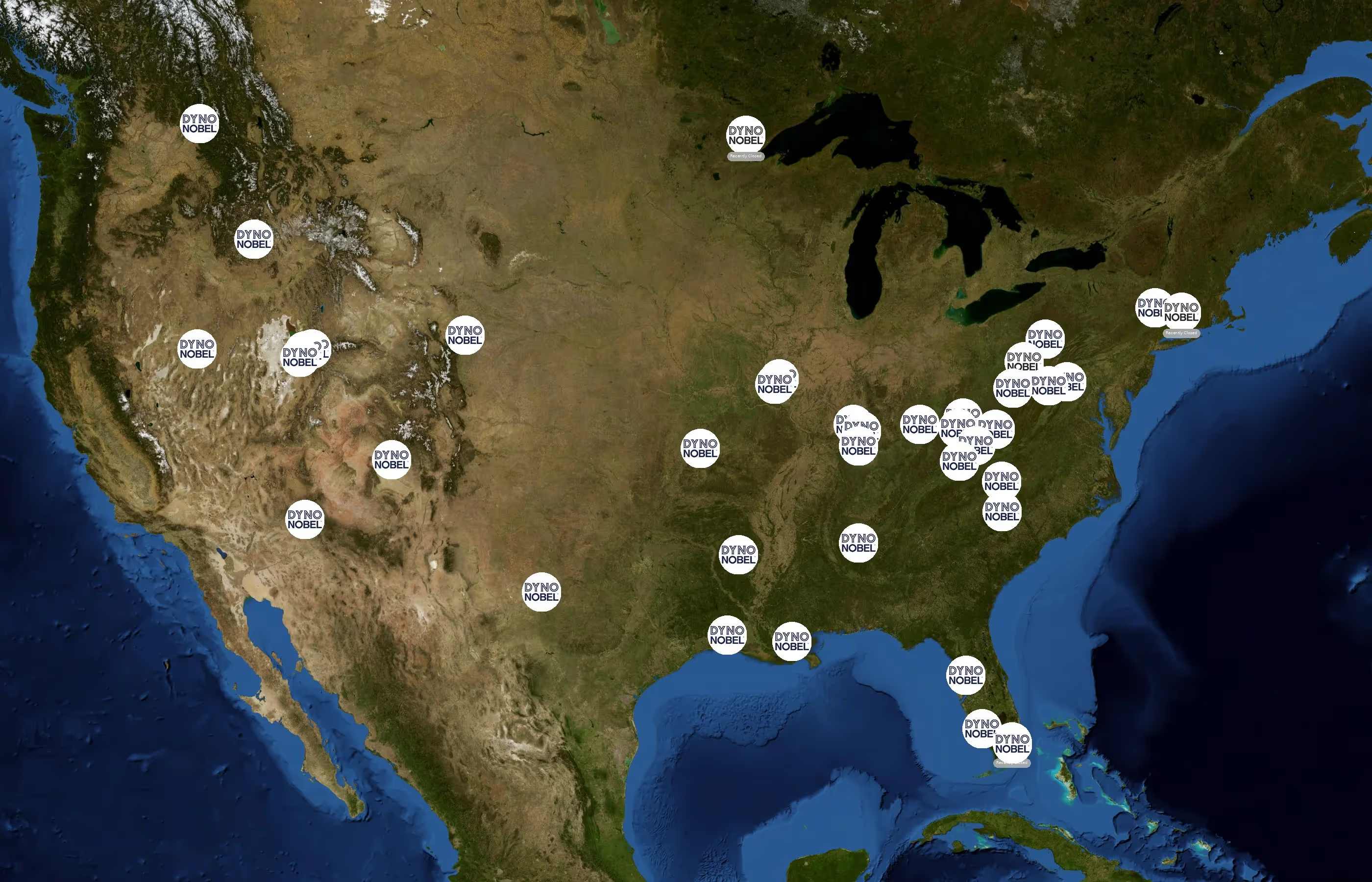
Top 10 States with the most number of Dyno Nobel locations in United States of America
Dyno Nobel operates 40 locations across the United States, with West Virginia hosting the highest count at 5 locations (12.5%). Florida and Kentucky each have 4 locations, together accounting for 20% of the total. The top three states represent 32.5% of all locations, while the top ten states cover 67.5%. Wyoming, Idaho, and Utah offer the best access based on population per location, while Texas, Illinois, and Arizona are the most stretched markets.
Dyno Nobel per capita insights
- States (Wyoming, Idaho, Utah) enjoy the best per capita access to Dyno Nobel.
- States like Florida, Pennsylvania, Virginia, Alabama, despite their large number of locations, are under-served on a per-person basis, signaling potential demand for suburban expansion.
- Several states strike a balance between population growth and Dyno Nobel density, making them hotspots for sustained competition.
Cities With the Most Dyno Nobel Locations in the United States of America
Locations concentrate around major metros such as SaltLake, Broward, Berkeley, Calcasieu, and Custer. The top 10 cities account for 27.5% of U.S. sites.
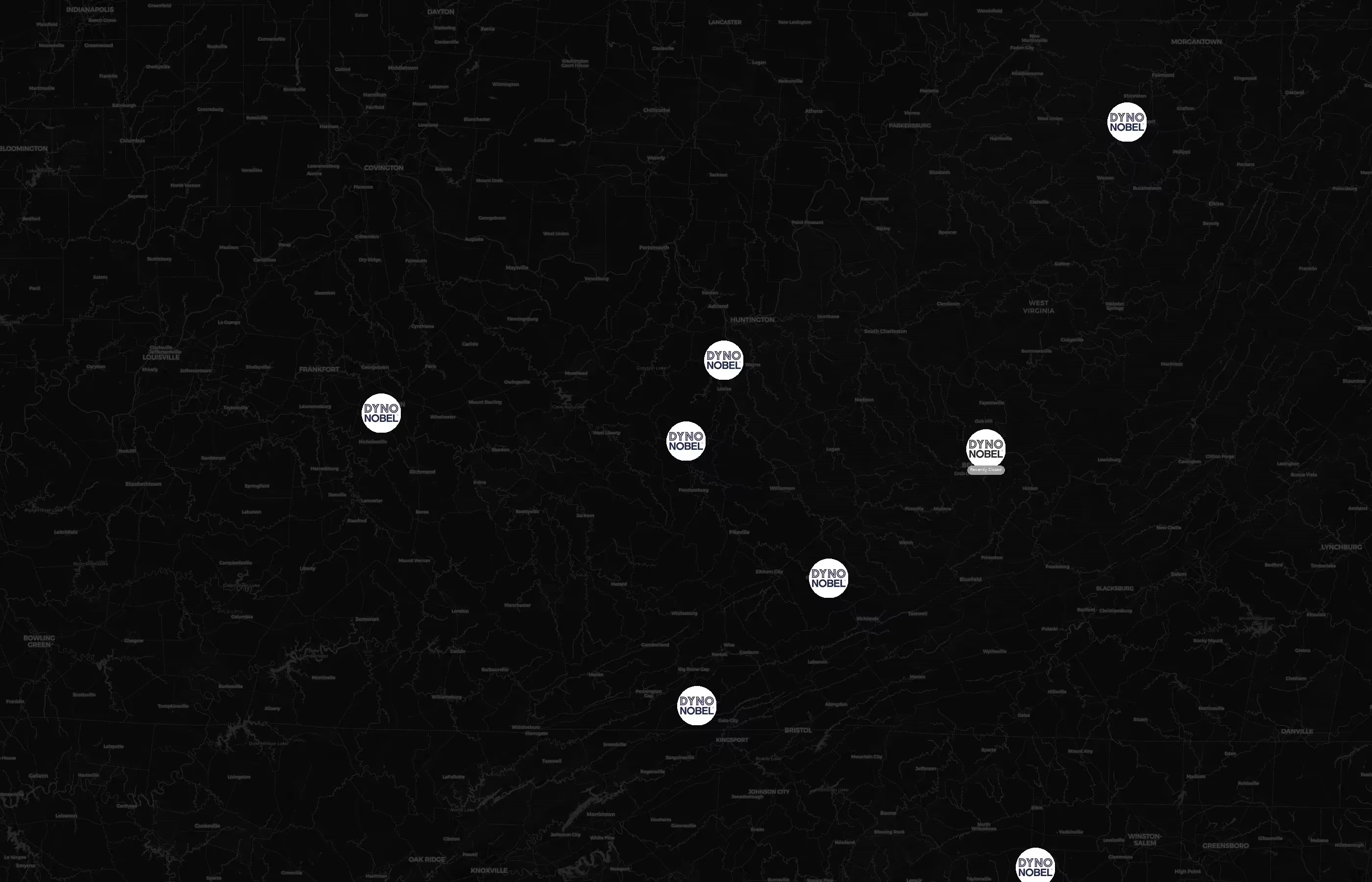
Top 10 Cities Ranked by Location Count
Dyno Nobel operates 40 locations across the United States, with the top 10 cities accounting for 27.5% of these sites. Salt Lake, Utah, leads with 2 locations, while nine other cities each host a single location. This distribution highlights a relatively dispersed presence with a modest concentration in select areas.
Street-level hotspots (busiest streets with multiple Dyno Nobel)
Street-level clusters show corridors where multiple Dyno Nobel locations sit within the same neighborhood indicating strong local presence and coherence. Dyno Nobel operates a total of 40 nationwide.
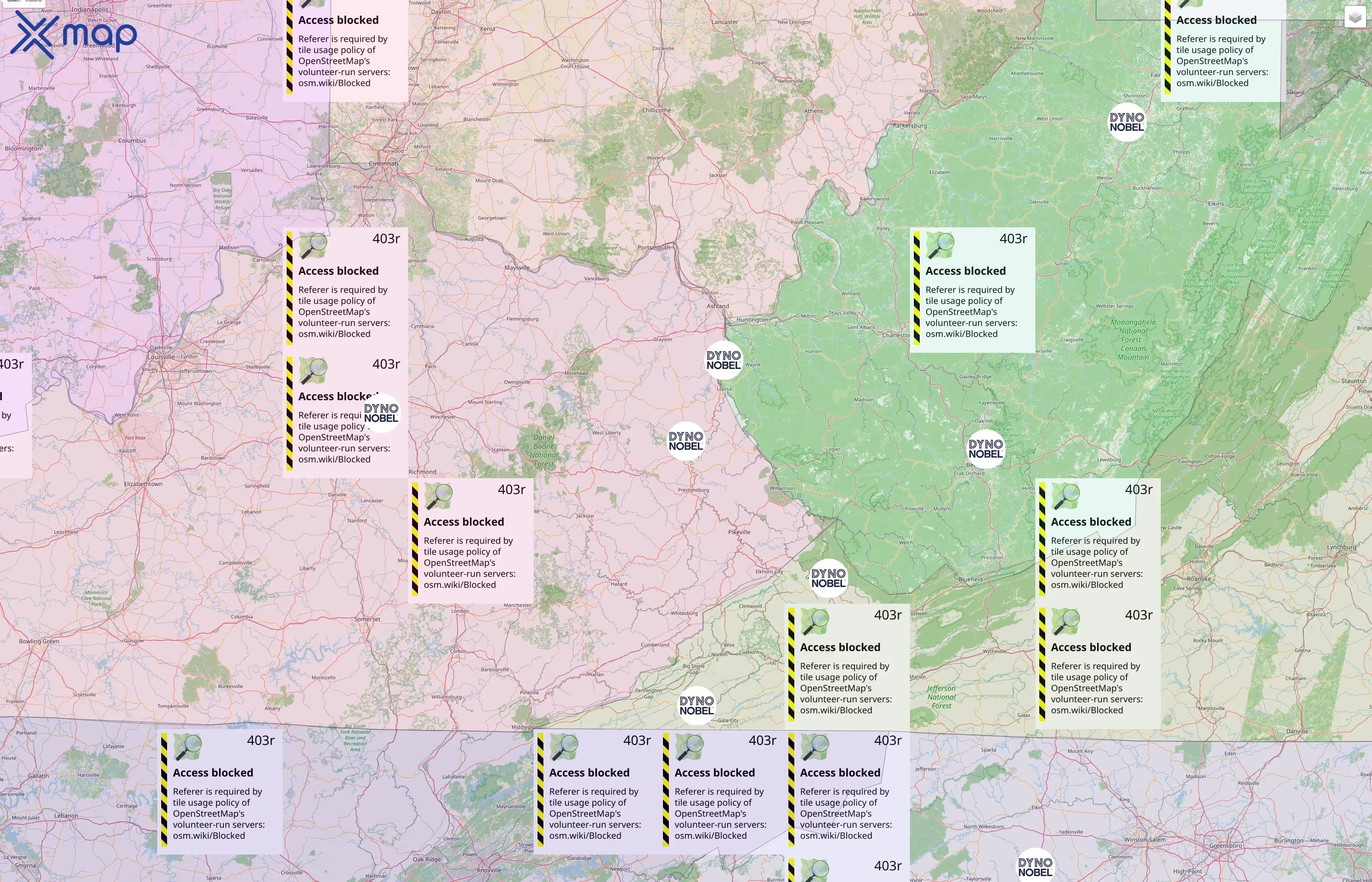
Download Dyno Nobel Outlets Points of Interest Data
The complete dataset of Dyno Nobel locations across the United States of America is available for download, including coordinates, traffic patterns, and operational status.
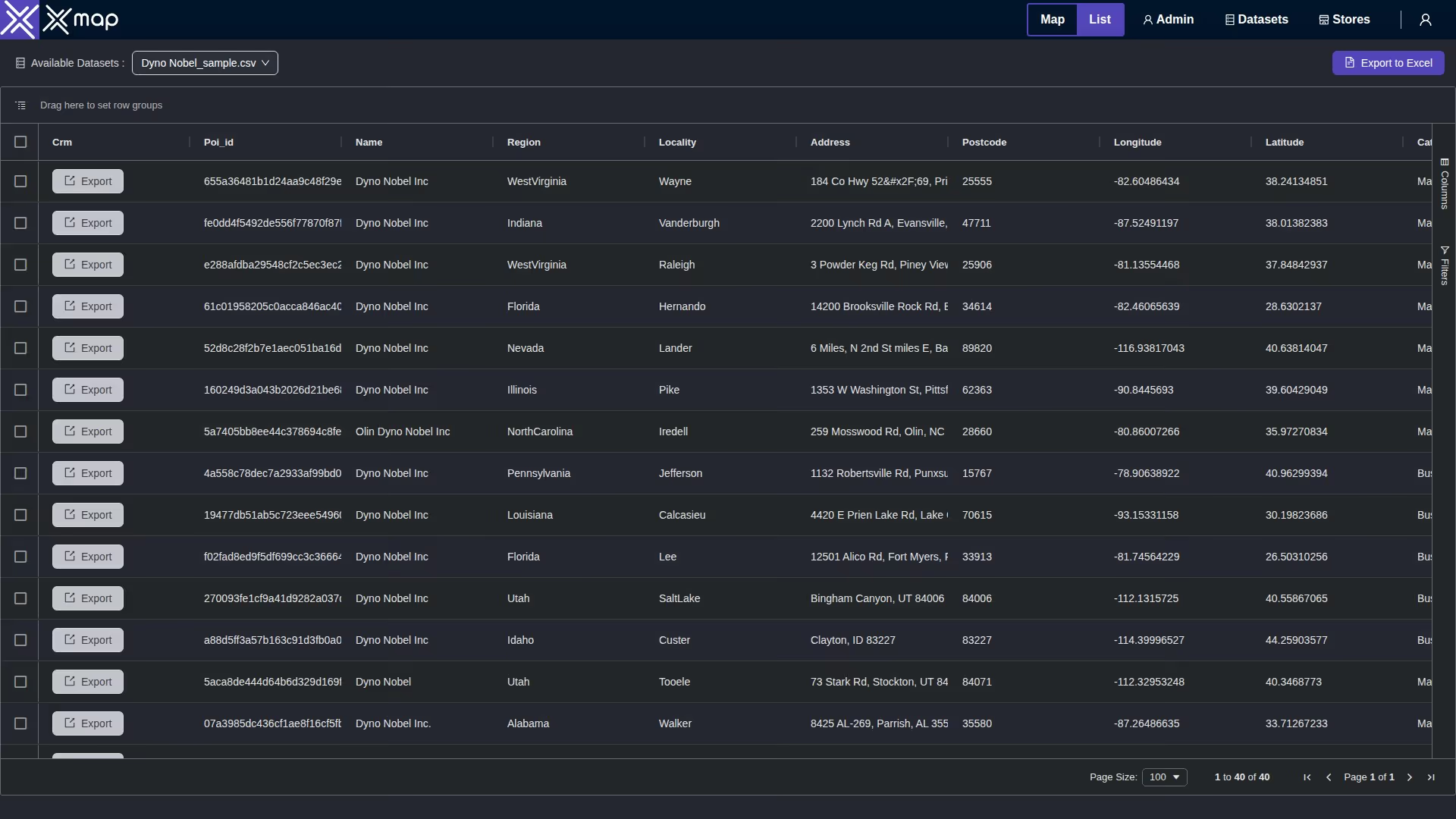
Key Variables for Dyno Nobel Points of Interests
Dyno Nobel has 40 locations across the United States of America. The key variables shows the most infleuntial aspects for Dyno Nobel locations nationwide. This provides a closer look of how Dyno Nobel is operating from different prespectives.
Average Area Covered Per Dyno Nobel Locations (By State)
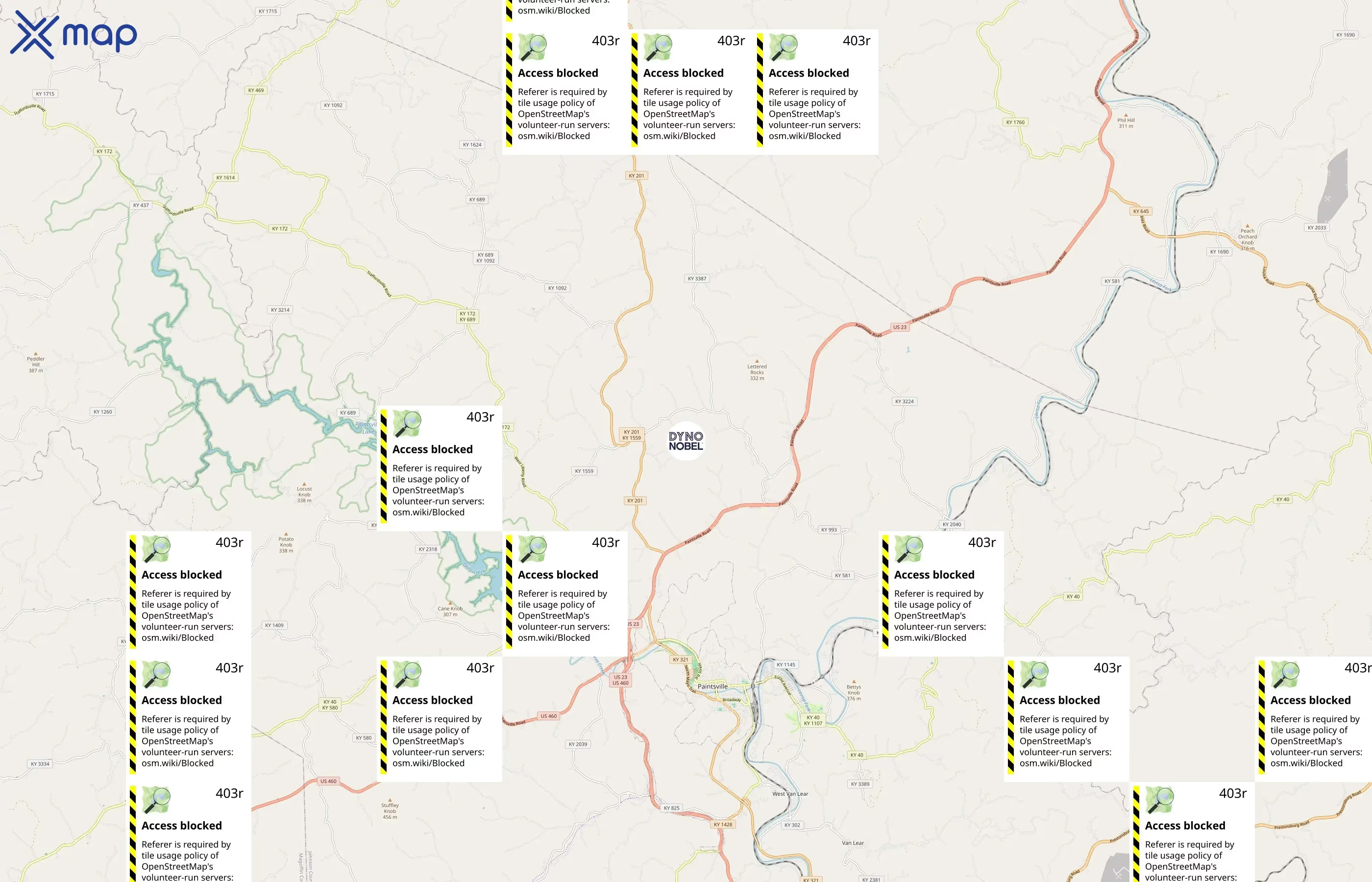
Dyno Nobel's locations in the United States are distributed across several states with varied land areas. Utah has the largest state land area at approximately 219,885 km² with 3 locations, while Kentucky has the smallest at about 104,651 km² with 4 locations. West Virginia hosts the highest number of locations at 5, though its land area data is unavailable. Other states like Florida, Idaho, and Missouri have sizable land areas ranging from 135,652 km² to 216,442 km² with 2 to 4 locations each.
Business Status of Dyno Nobel Locations (Open vs Closed)
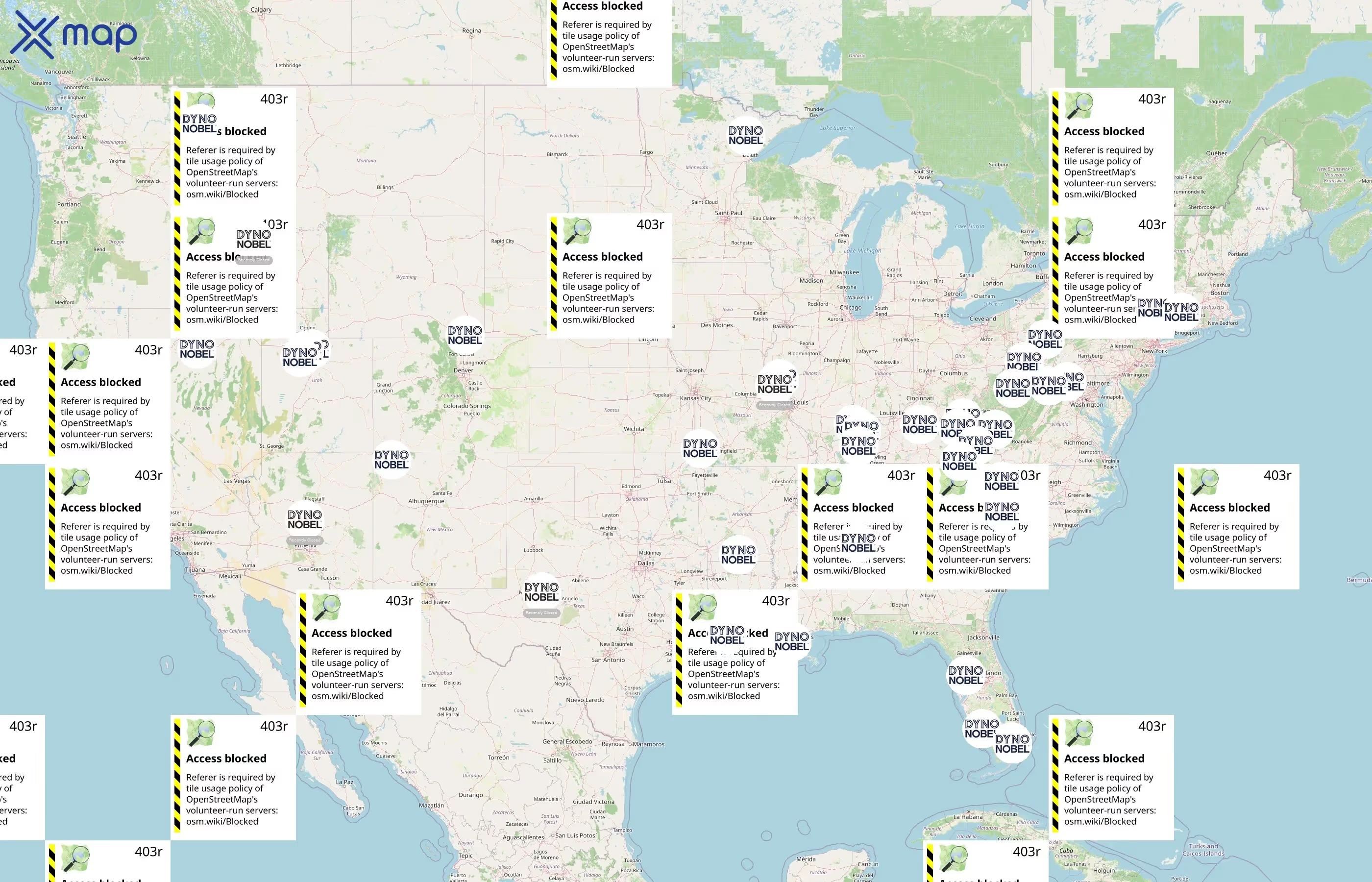
Dyno Nobel operates in multiple U.S. states with varying business statuses. Kentucky, Florida, Utah, Louisiana, Virginia, Missouri, and Indiana each have 100% of their locations open. West Virginia has 80% open with 4 out of 5 locations operational. Idaho shows a 50% open rate with one of two locations closed.
Customer Reviews and Ratings of Dyno Nobel Locations
This section summarizes customer sentiment toward Dyno Nobel. Using ratings and review totals from 40 locations, we highlight where scores are consistently high and where feedback volume is greatest. Average star ratings reflect perceived quality, while total reviews indicate engagement and reach across the network.
Average Ratings
Dyno Nobel's highest average rating in the United States is in Florida, with a score of 4.7. Missouri follows with an average rating of 4.4, while Louisiana and Utah both have ratings of 3.8. Florida also leads in the number of reviews, totaling 13, with Kentucky and Utah close behind at 12 and 9 reviews respectively.
Number of Reviews
Dyno Nobel's highest average rating in the United States is in Florida at 4.7, followed by Missouri with 4.4. Florida also leads in total reviews, accumulating 13, with Kentucky close behind at 12 reviews. Utah and Missouri have notable activity, with Utah receiving 9 reviews and an average rating of 3.8.
Dyno Nobel Locations With Verified Contact Information
Contact Information
Dyno Nobel achieves full phone coverage in all listed states across the United States. West Virginia leads with 5 out of 5 locations having phone access, followed by Florida and Kentucky with 4 out of 4 each. Every state listed maintains a 100% phone coverage rate, indicating consistent communication availability statewide.
Use cases for Dyno Nobel Points of Interests Data
Market Analysis
Dyno Nobel POI data enables clear measurement of footprint and demand. Analysts can rank states and cities by location count, compare coverage on a per-capita basis, and use traffic scores and review volumes to spot high-performing markets and under-served pockets. The result is an objective view of saturation, growth opportunities, and performance outliers.
Site Selection
For network planning, the data supports scoring candidate trade areas using location density, population per location, and nearby traffic intensity. Teams can evaluate cannibalization risk via nearest-store distance, surface whitespace along key corridors, and prioritize sites near retail anchors, campuses, or transit where observed activity is strongest.
Urban Planning
Planners can map clusters and service gaps to understand commercial access at the neighborhood level. Per-capita coverage highlights communities with limited access, while changes in openings or closures signal shifts in activity. These insights inform corridor revitalization, streetscape and transit planning, and data-driven zoning decisions.
How this xMap's POI data can help businesses?
- Accuracy and Precision: xMap data offers high-accuracy data, which minimizes the chances of wrong decisions based on flawed information.
- Complete Data: With xMap, businesses have access to comprehensive and complete data, effectively filling any knowledge gaps and providing a well-rounded view for decision making.
- Up-to-Date Information: xMap ensures that the data provided is regularly updated, which allows businesses to make dynamic, timely decisions in tune with current trends and situations.
- Scalability: xMap data allows businesses to scale their operations efficiently, by providing insights that cater to varying business sizes and requirements.
- Analytical Power: Utilizing xMap data's analytics can help identify patterns and trends, thus enhancing strategic planning and foresight for businesses.
Download Dyno Nobel Point of Interest Data

Number of Dyno Nobel Locations in the United States of America
